
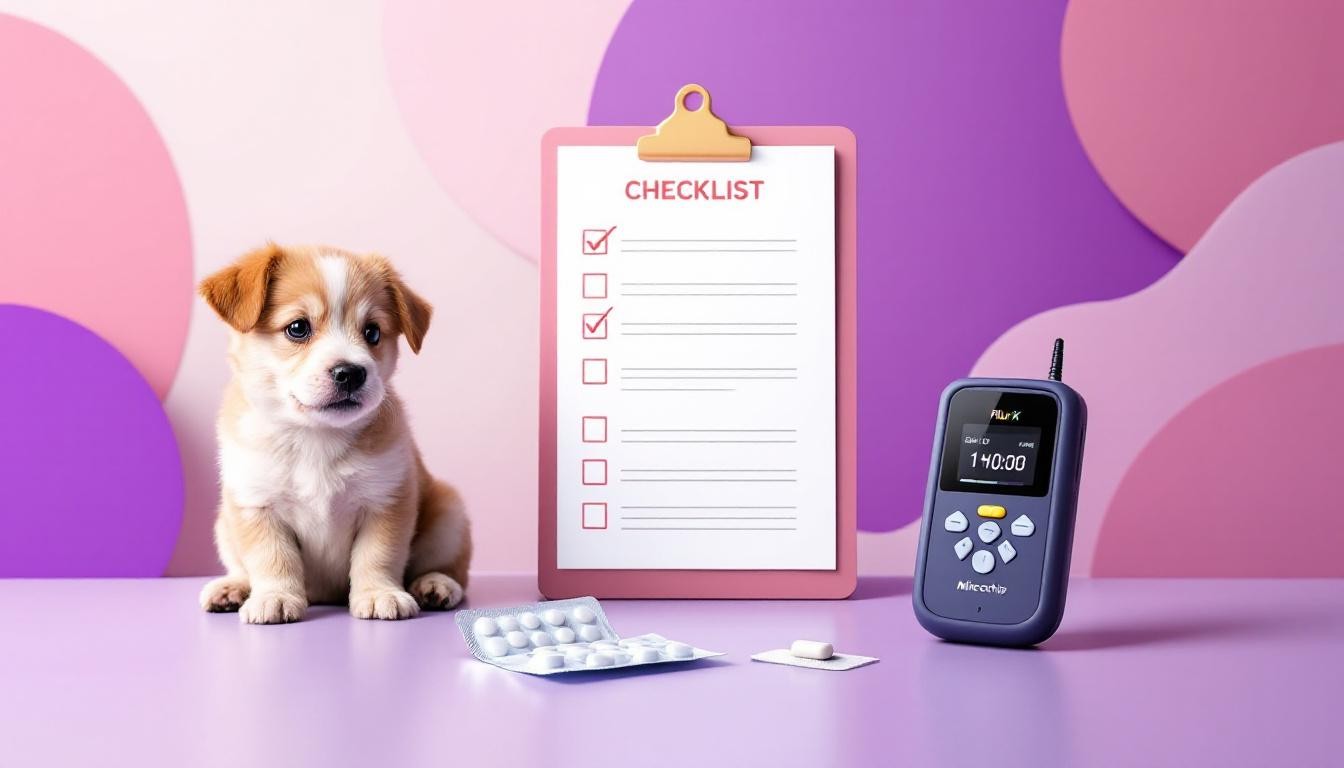
Bringing a new pet home is exciting, but it also means taking steps to protect them. At LifeEventGuide, we know that microchipping is one of the most effective ways to keep your pet safe if they ever get lost.
A microchip is a small device implanted under your pet’s skin that stores their identification information. Unlike collars or tags that can fall off, a microchip stays with your pet for life and gives you the best chance of being reunited if they wander away.
This guide walks you through everything on your pet microchip checklist, from how the technology works to why it’s worth the investment.
How Microchipping Works
Understanding the Technology
A microchip is remarkably simple: a rice-sized device about the length of a grain that sits under your pet’s skin between the shoulder blades. Inside is a 15-digit identification number and nothing else. The chip contains no battery, no GPS, and no medical data-it’s purely a passive identifier that only activates when a microchip scanner reads it. This simplicity is exactly what makes it so reliable.
The Implantation Process
The implantation takes seconds. A veterinarian uses a needle slightly larger than a standard vaccine needle to place the chip under the skin during a routine visit, and most pets experience only minor discomfort. Anesthesia is not required, though if your pet is already sedated for another procedure, the vet can implant the chip at that time. After implantation, monitor the insertion site for a few days and contact your veterinarian if you notice swelling or drainage. Once placed, the chip stays there for your pet’s entire life with zero maintenance.
Registration: The Critical Step
The implant itself is useless without registration. After your veterinarian places the chip, you receive a certificate with the chip number. That number must go into a microchip registry database along with your contact information. Microchipped dogs are returned to their owners 52% of the time-but only if the registry is current. If the registry has an outdated phone number or email, a shelter that scans your lost pet cannot reach you, and the chip becomes worthless.
Keeping Your Registry Updated
When you get your pet microchipped, ask your veterinarian which registry they use. Common providers include HomeAgain, AVID, 24PetWatch, and AKC Reunite. Some veterinary clinics auto-register chips for you, but verify this happened. If you change your phone number, move, or update your email, log into your registry account and make the change immediately. Set a reminder for August 15-Check the Chip Day-to review and update your information annually. During annual wellness exams scan chip to confirm it still reads correctly and hasn’t migrated. This simple annual check catches problems early and gives you confidence that your pet’s ID will work if needed.
Now that you understand how microchipping protects your pet through technology and registration, the next step is recognizing how this protection compares to other identification methods available to pet owners.
Why Microchipped Pets Get Found and Come Home
The Reunification Statistics That Matter
About 22 percent of lost dogs that enter animal shelters are reunited with their families, but the rate of return for microchipped dogs is more than double that rate. These numbers represent thousands of families who got their pets back because of a rice-sized implant. A lost pet wandering your neighborhood faces real danger, and microchipping is the single most reliable way to close that gap between loss and reunion.
Speed of Recovery When Your Pet Is Found
When a shelter or veterinary clinic scans a found pet, staff can contact you within hours instead of days. An outdated collar tag means nothing if your pet has been missing long enough for the tag to fall off or fade. The speed of that contact directly determines whether your pet stays safe during the critical first days after disappearance.
Permanent Identification That Stays With Your Pet
Collars fail in ways that matter. Tags get caught on branches, fade from sun exposure, or slip off during panic or struggle. A microchip implanted between the shoulder blades is inserted just beneath the skin and is minimally invasive. This permanence is why microchips also deter theft-someone who finds your pet and decides to keep it discovers the chip during a veterinary visit, immediately revealing your ownership.
Proof of Ownership That Settles Disputes
Your new pet’s microchip becomes proof of ownership that lasts their entire life without requiring any upkeep beyond keeping your registry information current. That single investment of $25 to $50 at your veterinarian’s office protects against the emotional devastation and financial cost of a lost pet far more effectively than any other identification method available today.
Understanding why microchipping works so well sets the stage for comparing it directly to other identification options you might consider for your new pet.
Why Microchipping Beats Other Pet ID Methods
The Failure Rate of Collar Tags
Collar tags fail in ways that matter most. Tags fade from sunlight, fall off during escapes, or get lost in the first weeks after you bring your pet home. When a shelter finds your pet and calls the number on the tag, staff reach a disconnected line or wrong address because you moved six months ago. The American Veterinary Medical Association found that microchipped dogs return home 52.2% of the time compared to just 21.9% for dogs without chips. For cats, the difference is even starker: a reunion rate with a microchip versus without. That gap exists because shelters can always read a microchip, but tags deteriorate and phone numbers change.
Why Tattoos Fall Short
Tattoos offer permanence but require your pet to be found by someone who knows to look for one. Faded or unclear marks become useless over time. A tattoo also doesn’t work if your pet is found by a shelter with no scanner-staff see a mark but have no way to contact you. Microchips solve this problem completely because nearly every shelter and veterinary clinic now owns a scanner, and the chip’s 15-digit ID connects directly to your current contact information in a registry database.
Speed and Reliability Under Real Pressure
The real advantage of microchipping comes down to speed and reliability when it matters most. When your pet goes missing during a thunderstorm or fireworks, they panic and shed their collar within hours. A microchip stays implanted between the shoulder blades for life, readable by any universal scanner regardless of wear or damage. The $25 to $50 upfront cost prevents the emotional devastation and search expenses that follow a lost pet.
Ownership Protection and Theft Deterrence
Your new pet’s microchip proves ownership if a dispute arises and deters theft because finders discover your ownership during a vet visit. The chip works across state lines when you relocate (something collar best practices cannot match). Microchipping is the only identification approach that consistently gets lost pets home because it combines permanence, proof of ownership, and immediate access to current contact details.
Final Thoughts
Microchipping your new pet costs between $25 and $50 at most veterinary clinics, making it one of the most affordable forms of permanent protection available. Many shelters and rescues offer discounted microchipping during adoption events, so ask about options when you bring your pet home. The investment pays for itself many times over if your pet ever goes missing, preventing the emotional devastation and search expenses that follow.
Your pet microchip checklist starts with scheduling an appointment at your veterinarian’s office to discuss implantation and registration. Ask which registry they use, confirm they will register the chip for you, and obtain the chip number on your certificate. Set a reminder for August 15 each year to verify your registration stays current and request a scan during wellness exams to confirm the chip still reads correctly.
Schedule your appointment today and take this simple step to protect your new pet. We at LifeEventGuide help you navigate major life transitions like bringing a new pet home with clear guidance and practical support. Explore our resources for pet owners to find additional tools that support you through every stage of pet ownership and other life changes.
Publisher’s Note: LifeEventGuide is an independent educational publisher. Some articles reference tools or services we recommend to help readers explore options related to major life transitions. Learn more about how we make recommendations here.






![Why Your First Offer Rarely Wins [Guide]](https://lifeeventguide.com/wp-content/uploads/emplibot/car-negotiation-tactics-hero-1773652167.jpeg)